When your back starts feeling better, it is natural to wonder how to keep it that way. Do you need a complicated exercise routine, or could something as familiar as walking be part of the plan?
For people in Thornhill looking for a manageable way to return to activity, research offers an encouraging answer: a personalised walking programme combined with education may help delay another episode of low back pain. The details matter, especially if you are still in pain.

What did the walking study find?
The 2024 WalkBack trial followed 701 Australian adults who had recently recovered from nonspecific low back pain. This means the pain was not attributed to a specific diagnosis such as a fracture.
One group received a progressive walking programme and education through six physiotherapy sessions over six months. The comparison group received no study treatment. The median time until another activity-limiting back-pain episode was 208 days in the programme group and 112 days in the comparison group. [1]
This was a combined programme, so the results do not isolate walking from education and professional support. It also studied recurrence after recovery, rather than treatment of a new severe episode. Lower-limb adverse events were more frequent in the programme group, reinforcing the need to progress appropriately. Walking did not guarantee that back pain would never return.
What if your back pain is ongoing?
A separate 2021 Cochrane review included 249 trials of exercise for chronic nonspecific low back pain. Exercise probably reduced pain compared with no treatment, usual care or placebo. Average improvements in limitations with daily activities were smaller and did not reach the review’s threshold for a clinically important difference. [2]
The review covered several exercise approaches, not just walking. It supports considering an active treatment plan, but does not establish one ideal routine for everyone.
Make a walking plan that fits your life
If walking is appropriate for you, begin with an amount you can manage and increase gradually. Comfortable, supportive footwear and a suitable route can make it easier to keep the habit. Stop and seek advice if activity makes your pain worse. [3] [4]
For a Thornhill winter, an indoor route may be more practical than an icy outdoor path. Consider what you can repeat consistently around work and family commitments. These are practical planning suggestions, not a claim that a particular route, speed or daily step count reproduces the research.
Questions worth discussing with your physiotherapist include:
- What is a reasonable starting duration for me?
- How should I adjust the plan if symptoms change?
- Would strength or mobility exercises help address my particular goals?
- How will we review my progress?
When to get assessed
Arrange an assessment if pain keeps recurring, limits daily activities or is not improving. Back pain with new bladder or bowel changes, numbness around the groin, or weakness or numbness in both legs needs emergency medical assessment. Severe pain that begins suddenly or worsens quickly, or back pain with fever or feeling unwell, needs urgent medical advice. [3]
How chiropractic care, physiotherapy and massage can help
Walking can be one part of managing recurring back pain. If discomfort keeps interrupting your routine, a clinician can help assess the problem, discuss your goals and decide whether treatment or further medical assessment is appropriate.
Chiropractic care: assessment and hands-on treatment
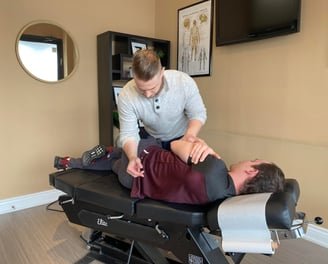
A chiropractor can assess back symptoms and movement, discuss activity changes and recommend appropriate exercises. Depending on the assessment, care may include joint mobilisation or spinal manipulation. These are options to consider alongside an active plan, rather than a guarantee against another episode. Learn about our chiropractic care for low back pain in Thornhill.
Physiotherapy: building a manageable activity plan
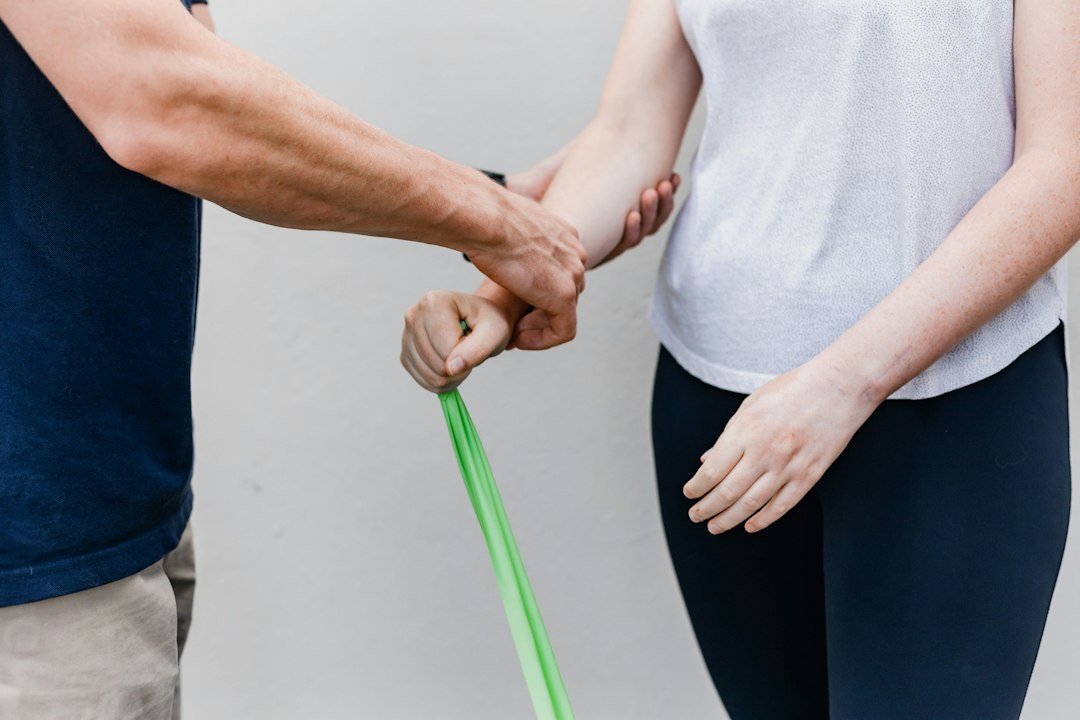
A physiotherapist can assess your movement and activity tolerance, then tailor exercises and a gradual return to walking around your needs. Follow-up can help adjust the plan as your symptoms and abilities change. Our physiotherapy for low back pain in Thornhill is an option to discuss if you need help getting started or progressing.
Registered massage therapy: support for symptom management

A registered massage therapist can assess soft-tissue concerns and discuss whether massage is appropriate for your symptoms. Massage may be included in a broader back-pain plan that also involves exercise. Visit our registered massage therapy in Thornhill page to learn about the service.
NICE guidance supports considering manual treatments, including spinal manipulation, mobilisation and massage, as part of care that includes exercise. It does not establish that everyone needs all three professions or that combining them prevents recurrence. [5: NICE guideline NG59, recommendation 1.2.7]
Choosing care at Perfect Posture Chiropractic & Rehab
At Perfect Posture Chiropractic & Rehab, your goals are the starting point for a conversation about care. Perhaps you want to return to a neighbourhood walk, get through your workday or feel more confident being active again.
Explore our physiotherapy for low back pain and chiropractic care for low back pain pages to learn about our services. The walking research discussed here does not test or prove the effectiveness of our clinic’s treatments.
Ready to discuss a plan that suits you? Book an appointment at Perfect Posture Chiropractic & Rehab in Thornhill.
Research articles and patient guidance
- Pocovi NC, et al. (2024). Effectiveness and cost-effectiveness of an individualised, progressive walking and education intervention for the prevention of low back pain recurrence in Australia (WalkBack): a randomised controlled trial. The Lancet, 404, 134–144.
- Hayden JA, et al. (2021). Exercise therapy for chronic low back pain. Cochrane Database of Systematic Reviews, CD009790. doi:10.1002/14651858.CD009790.pub2.
- NHS. Back pain. Patient guidance, accessed November 5, 2026.
- NHS. Walking for health. Patient guidance, accessed November 5, 2026.
General education; an individual assessment determines which activities and treatments are appropriate for you.